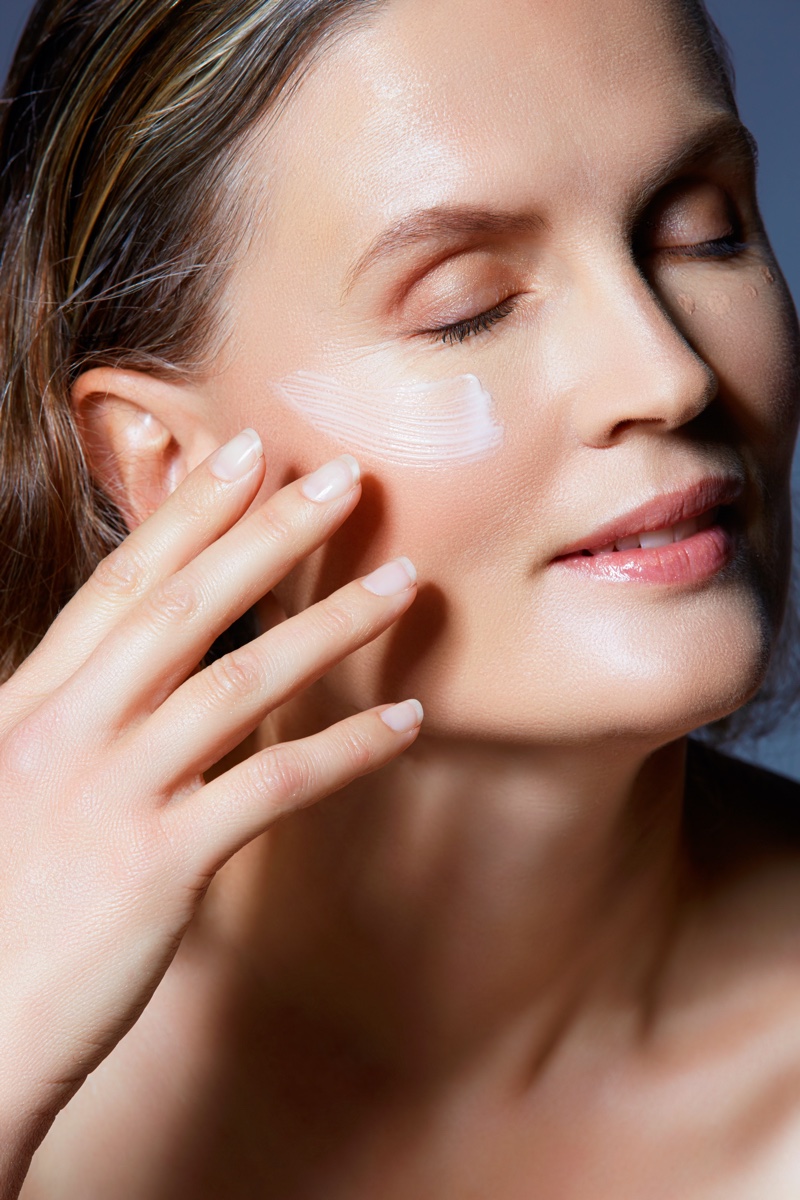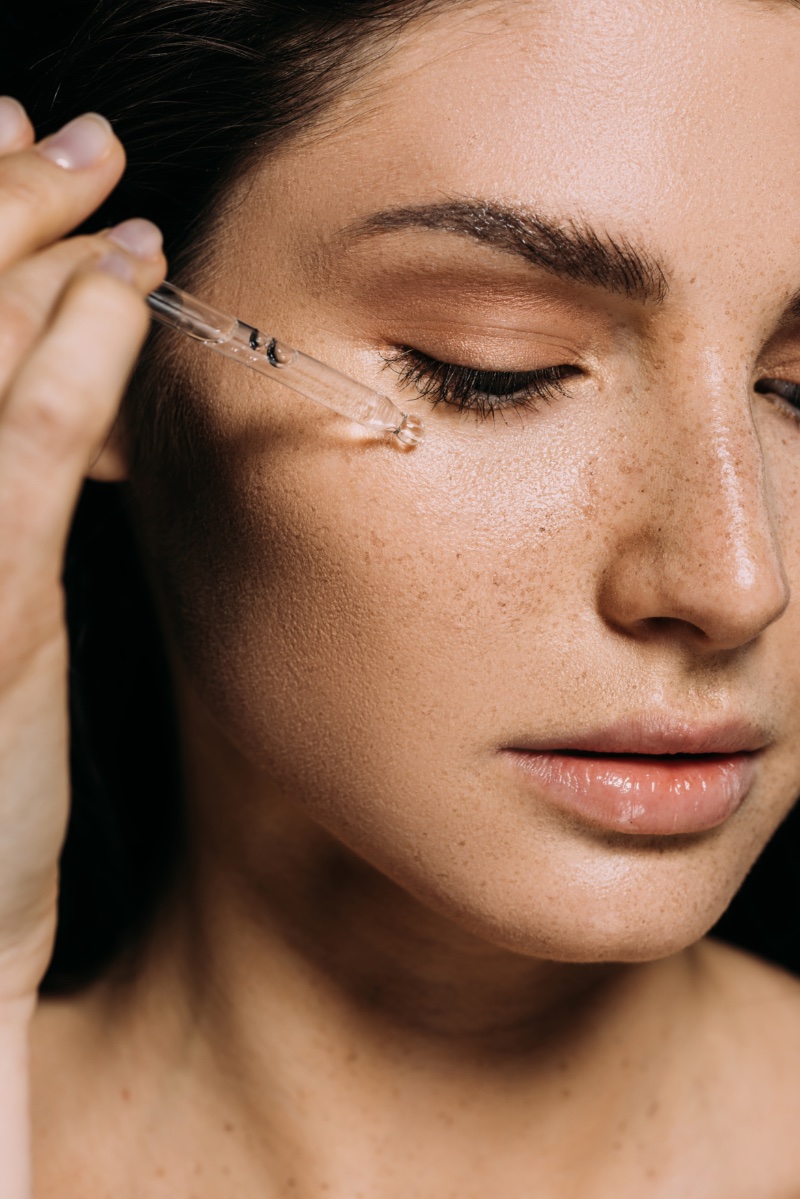
Do you have dry skin that flaks off no matter how much you drink water? It can make you appear older, and it is not only uncomfortable. You don’t have to worry, you may just need the best vitamins for your skin. You need to strengthen the stratum Corneum (the outermost layer) of your skin in order to keep it looking youthful and hydrated.
This layer provides protection against harmful environmental factors such as UV rays and air pollution. It also protects the skin from bacteria, toxins, and water. This layer is composed of flat, protein-rich skin cells, and a fatty matrice that helps to retain moisture and keep your skin hydrated. When the stratum corneum becomes damaged, water escapes and your skin looks dry and dull.
Best Vitamins For Skin
You must nourish your skin internally. To keep your skin feeling and looking healthy, make sure you are getting enough nutrition. With these vitamins for your skin, you can say goodbye to parched and dry skin.
1. VITAMIN A
Vitamin A is an antioxidant that protects collagen from the damage caused by free radicals, which are harmful molecules. It makes the skin appear firmer, and it reduces fine lines and sagging.
Vitamin A can also promote the growth of new tissues in your deep skin layers by activating cells known as fibroblasts. You might get keratosis pelaris if you don’t consume enough vitamin A. This skin condition is characterized by dry, bumpy skin.
Foods rich in Vitamin A (U.S. FDA daily recommended value is 900mcg). Sea fish, oysters, liver, cod-liver oil, cheeses, butters, eggs, clams, etc.
2. VITAMIN C

We know that not enough vitamin C in your diet can lead to scurvy. This condition causes your body to be unable produce collagen, and weakens capillaries. Did you know that Vitamin C protects the skin against damage caused by ultraviolet rays from the sun?
Vitamin C is a powerful antioxidant that prevents free radicals damaging skin cells, causing wrinkles and dark spots. It’s also great for improving the skin’s ability to heal, hydrate, and fight dryness.
Skin contains a large amount of vitamin C. In one study, up to 64mg of vitamin C can be found in 100g of outer skin. If you want beautiful, healthy skin, make sure you are getting enough vitamin C through your diet and supplements.
Foods Rich in Vitamin C (U.S. FDA Recommended Daily Value is 90 mg) : bell peppers and citrus fruits like oranges, kiwi lemons, strawberries, tomatoes.
3. VITAMIN D
Vitamin D is vital for the health of both your skin and your immune system. Vitamin D can improve skin conditions such as eczema and psoriasis.
A study on women revealed that women with low levels of vitamin D in their blood have drier, more irritated skin. Their skin became healthier and more moisturized after taking vitamin supplements. If you want your skin to look its best, make sure you are getting enough vitamin D through your diet and supplements.
Foods Rich in Vitamin D (20 mcg is the recommended daily intake by FDA): salmon, herrings, sardines and mushrooms.
4. VITAMIN E
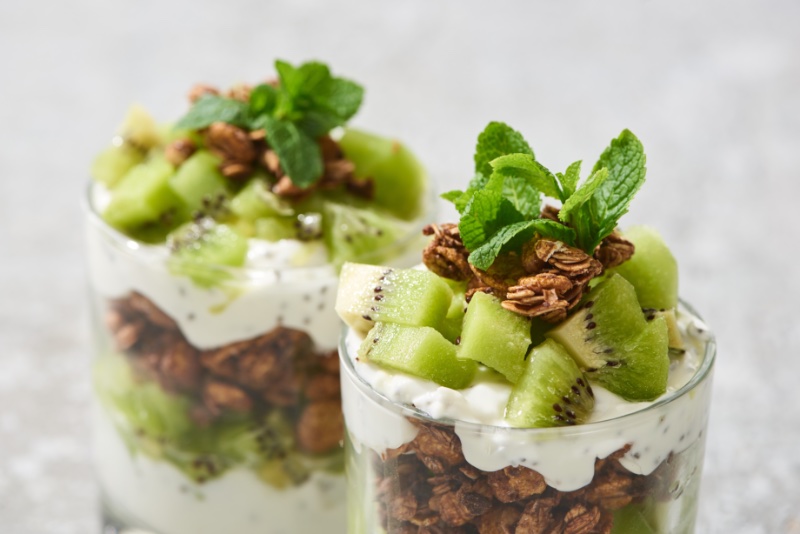
Vitamin E protects your skin against damage from ultraviolet rays. It can also be used to treat dry, inflamed and cracked skin by retaining moisture.
Vitamin E is an ingredient in many moisturizers, skin care products and more. Vitamin E can be used to protect your skin from sun damage and keep it healthy.
Foods Rich in Vitamin E (15 mg is the U.S. FDA’s recommended daily intake): avocado, mango, kiwifruit and red bell pepper. Also, sunflower seeds, peanuts, almonds, pinenuts, avocados, avocados, brazil nuts etc.
5. FISH OIL
Omega-3 fatty acid-rich foods can be beneficial to your nervous system and brain. These fatty acids are anti-inflammatory and can speed up healing.
When it comes down to skin care, fish oil supplements and eating fish that is rich in omega-3 fats can keep skin looking healthy. Omega-3s help to strengthen the fatty acids barrier in your skin. This helps lock in moisture. If you want your skin to look great, add omega-3s into your diet.
Foods Rich in Omega-3 Fatty Acids Salmon, sardines and oysters; cod liver oil; caviar; herring, anchovies. Chia seeds, walnuts etc.
6. NUTRIENT SUPPLEMENTS

You’re unlikely suffer from severe nutritional deficiencies as long as you eat regularly. Many people struggle to eat enough vegetables due to the high cost of food and fast-paced lifestyle.
Plus, data from CouponBirds indicates that the nutritional value has declined compared to prior decades. This makes it harder for us to consume enough nutrients.
It’s for this reason that nutritional supplements are a great option. Supplements can fill in the gaps if you are unable to eat certain foods, or if you need more nutrients. You should always consult a doctor or healthcare professional before taking any supplements.
You can determine what supplements are appropriate and safe for you, based on the health issues you face. Check the recommended foods list to determine which nutrients you may be lacking, then select a multivitamin, or specific vitamin supplement, if necessary.
Don’t exceed the dose recommended on the packaging. Too much vitamin can be harmful to your health. On days where you eat a varied, healthy diet, you might not need to take a vitamin supplement. However, on other days, when you eat less well, supplements may be necessary.
Final Words
You may be surprised to learn that the solution is easier than you thought. You can promote healthy skin by incorporating a few skin-benefiting vitamins into your diet.
The omega-3 fatty acid found in fish oils, along with vitamins A, C and D, are all essential for maintaining healthy skin. You can protect your skin against environmental damage by eating foods high in these nutrients, or taking supplements. This will keep it hydrated, supple and reduce wrinkles.
If you want to get rid of dry, flaky, and dull skin, then start with your diet. Include the best vitamins that promote skin health. These essential nutrients will nourish your skin and give you a more youthful, vibrant appearance.